
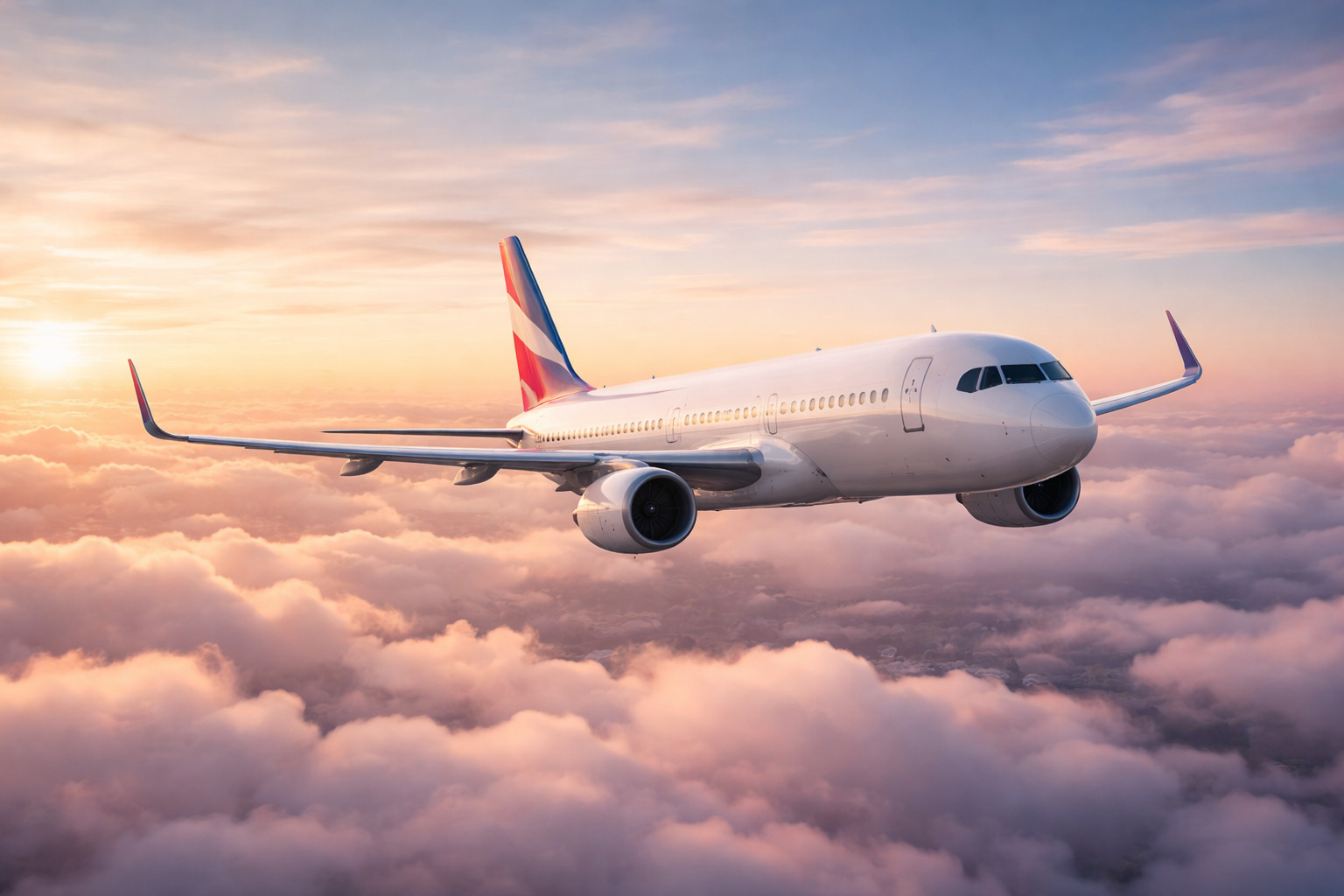
Let me be honest: the first time I booked a flight on Delta Airlines, I had no idea what I was doing. I picked a random time, accepted whatever seat they offered, and paid full price for my baggage. I probably left hundreds of dollars on the table. If that sounds familiar, you’re not alone.
Delta Airlines is one of the “Big Three” carriers in America, alongside United and American Airlines. Every day, millions of people trust Delta with their travel plans. But here’s the thing: most of those people don’t really understand how Delta works, what their loyalty program can do, or how to navigate the booking process without overpaying.
In this article, I’m going to share everything I’ve learned about Delta Airlines that actually matters. We’ll cover how to book smarter, what their SkyMiles loyalty program is really worth, how their customer service stacks up, and what you should know before your next flight. Whether you’re a frequent flyer or someone who books a trip once a year, this guide will help you make better decisions with Delta.
What Exactly Is Delta Airlines?
Before we dive into the practical stuff, let’s talk about what Delta Airlines actually is and why it matters.
Delta is one of the largest airlines in the world. The company was founded in 1924, which means it’s been flying people around for a century. That longevity matters. It means Delta has weathered economic crises, fuel price spikes, pandemics, and countless other challenges. They’re still here, still flying, and still improving their operations.
Today, Delta operates from major hub cities including Atlanta, Detroit, Minneapolis, and Salt Lake City. Atlanta’s Hartsfield-Jackson International Airport is Delta’s largest hub and actually the busiest airport in the world. That means tons of flights, lots of options, and significant international reach.
Delta serves over 300 destinations globally. That’s a massive network. Whether you’re flying domestic or international, there’s a decent chance Delta offers a route that works for you. The airline carries over 200 million passengers annually, which gives you some sense of their scale.
The company is also a member of the SkyTeam alliance. This partnership includes other major airlines like Air France, KLM, Korean Air, and others. Being part of an alliance matters because your frequent flyer miles and elite status often translate into benefits on partner airlines, expanding your options significantly.
Understanding Delta Airlines’ Fleet and Service Classes
Delta operates a massive fleet of aircraft. They have Boeing 737s for short-haul flights, Boeing 777s and Airbus A350s for long-haul international routes, and regional jets for smaller markets. Each aircraft type affects your flying experience differently.
Here’s what matters: Delta Airlines offers different service classes on most flights. You’ve got basic economy, main cabin, first class, and business class on international flights. Each tier comes with different perks and price points.
Basic Economy is the cheapest option. You get a seat, carry-on bag, and personal item. That’s it. You don’t get a free checked bag, and you might be assigned your seat at boarding rather than during the booking process. This is fine if you’re a light traveler, but it can feel cramped on longer flights.
Main Cabin is the standard option. This includes a checked bag, better seat selection, and more legroom than basic economy. For most people on most flights, this is the sweet spot. You’re not paying premium prices, but you’re getting reasonable comfort and included amenities.
First Class comes with priority boarding, premium meals, free drinks, and significantly more comfortable seats. On shorter flights, the seats recline to a comfortable angle. On longer flights, they’re not full lie-flat beds, but they’re far nicer than coach.
Business Class (called “Delta One” on some routes) includes lie-flat seats, gourmet meals, premium amenities, and direct aisle access. This is genuinely luxurious if you’re willing to pay for it.
For most of us, understanding main cabin versus basic economy is what really matters. That difference often comes down to whether you want that free checked bag and better seat selection.

Booking Delta Airlines: How to Actually Save Money
This is where a lot of people go wrong. They book Delta Airlines without understanding how to find the best deals. Let me walk you through this.
First, be flexible with dates. Flights on Tuesday and Wednesday are often cheaper than those on Thursday through Sunday. Early morning or late evening flights typically cost less than mid-morning departures. If you can shift your travel plans by a day or two, you might save 20-30%. Delta’s website lets you see prices across multiple dates, so use that feature.
Second, clear your browser cookies before searching. I know this sounds like an old internet myth, but it’s true. Airlines can track your searches and sometimes show you higher prices if they think you’re committed to booking. Clearing cookies (or using incognito mode) resets that tracking. It takes 30 seconds and can save you money.
Third, compare with other booking sites. Delta Airlines’ website is good, but Google Flights, Kayak, and Expedia often show all available options, including connecting flights you might not have considered. Compare prices across multiple sites before committing.
Fourth, consider indirect flights. A connecting flight takes longer, but the price difference can be significant, sometimes 50% less. If you have time and flexibility, this is worth it. Delta Airlines has good connections between its hubs, so flights rarely have really inconvenient layovers.
Fifth, use Delta Airlines’ price alert feature. On their website, you can set up alerts for specific routes. When prices drop, you’ll get notified. This is free and helps you catch sales you’d otherwise miss.
Sixth, book in advance, but not too far in advance. The “sweet spot” is typically 1-3 months before your flight. Booking too far ahead (5+ months) rarely saves money. Booking at the last minute is risky because prices go up. Aim for the middle ground.
Seventh, consider the full picture, not just the base fare. A cheap basic economy ticket might force you to pay for baggage, which eliminates the savings. A slightly more expensive main cabin ticket often makes more financial sense when you factor in the free checked bag.
Delta Airlines SkyMiles: Is the Loyalty Program Worth It?
Delta Airlines’ frequent flyer program is called SkyMiles. If you fly Delta regularly, this program can genuinely save you money and improve your experience. But if you only fly occasionally, it might not be worth the effort.
Here’s how it works: every time you fly Delta Airlines or a partner airline, you earn miles. You also earn miles when you use a Delta-branded credit card, book hotels, rent cars, and even shop at certain retailers. Those miles can be redeemed for free flights, seat upgrades, and other perks.
The credit card component is actually where most people extract real value. Delta Airlines’ co-branded American Express cards offer:
- Sign-up bonuses are worth thousands of dollars in flight value.
- Bonus miles on Delta purchases and partner transactions.
- A free checked bag for you and your immediate family traveling with you.
- Seat upgrade certificates.
- Priority boarding.
If you put regular spending on a Delta credit card and redeem the sign-up bonus strategically, you can fund a free flight within the first few months. That alone makes the card worthwhile if you fly a couple of times per year.
However, here’s the honest part: redeeming miles can be tricky. Premium routes during peak travel seasons sometimes require absurd amounts of miles. A short flight might be 12,500 miles, while a cross-country flight could be 25,000-50,000 miles, depending on demand. During busy holidays, award availability is sparse.
The trick is to be flexible. Off-peak flights and less popular routes are much easier to book with miles. If you’re willing to fly Tuesday morning instead of Friday afternoon, you can use significantly fewer miles. This flexibility is key to getting good value from SkyMiles.
Delta Airlines also has elite membership tiers: Silver, Gold, Platinum, Diamond, and Diamond Medallion. As you accumulate miles or fly more segments, you unlock better benefits like priority boarding, complimentary upgrades, and access to airport lounges. These benefits genuinely improve the experience if you fly multiple times per year.
Delta Airlines’ Customer Service and Reliability
Let’s talk about what actually happens when things go wrong. Because sometimes they do.
Delta Airlines has a solid reputation compared to other carriers. They consistently rank in the middle or slightly above average for customer satisfaction. They’re not the worst, but they’re not the best either. They’re reliable without being exceptional.
If your flight is delayed or cancelled, Delta’s customer service team will usually work to get you on another flight. The time it takes varies. Sometimes they rebook you quickly; sometimes you’ll be on hold for hours, depending on how many other flights were affected. Having status in their SkyMiles program genuinely helps, as you get priority handling.
One thing Delta does well is its online platform. Checking in online, tracking your flight, and managing your booking through the Delta app or website is pretty straightforward. The app is user-friendly and updated regularly. You can check your flight status, change seats, and request upgrades all from your phone.
For baggage claims and lost luggage, Delta’s process is standard. You’ll file a claim, wait for an investigation, and hopefully get compensation or your bag back. I’ve had friends with different experiences here; some got their bags back quickly, others had to wait weeks. It varies.
The areas where Delta Airlines sometimes falls short include:
- Overhead bin space on full flights (everyone’s problem, not just Delta)
- Food and beverage options in economy (they offer snacks and drinks, but premium meal service is limited)
- Inconsistent customer service, depending on which agent you get
- Baggage fees that add up if you’re checking multiple bags
But again, these aren’t unique to Delta. They’re industry-wide issues.
Delta Airlines Routes and Network Strategy
Understanding Delta’s network helps you plan better trips. Delta operates a hub-and-spoke model. That means most flights connect through one of their major hubs rather than flying directly.
Atlanta is Delta’s largest hub. If you’re flying south, southeast, or to Caribbean destinations, Atlanta might be your connection point.
Detroit handles a lot of flights to Canada and the Midwest.
Minneapolis serves flights to Northern regions and some international destinations.
Salt Lake City is the gateway to ski destinations and the Mountain West.
Seattle handles West Coast flights.
This hub structure is actually helpful if you understand it. If you’re flying between two smaller cities, finding a connection through a Delta hub often gives you better prices and more frequent options than alternatives.
For international travel, Delta Airlines operates transatlantic flights from major US cities to Europe, with hubs in Atlanta, Detroit, and Minneapolis. They also have significant Asia-Pacific routes and Latin American service.
How Delta Airlines Handles Special Situations
What if you’re traveling with kids, pets, or have special needs? Here’s what you should know about Delta Airlines.
Traveling with children: Delta Airlines allows infants under 2 to sit in your lap for free (though a seat is safer and recommended). Children 2 and older need their own ticket. The airline provides basic kid meals on longer flights and usually gate-checks strollers without charge. Unaccompanied minor service is available for an additional fee.
Flying with pets: Small pets can fly in the cabin for a fee (around $95 each way). Larger pets must travel in cargo, which is more expensive and riskier. Delta’s cargo system is generally reliable, but many pet owners prefer driving to flying with large dogs due to the stress and cost involved.
Accessibility and special needs: Delta Airlines has specific procedures for passengers with mobility issues, hearing/vision impairments, and other disabilities. You should notify them in advance when booking. They’ll provide wheelchair assistance, allow service animals in the cabin, and make other accommodations. Their process generally works well, though experiences vary depending on which airport you’re at.
Medical situations: If you have a medical condition or need to travel with medical equipment, notify Delta during booking. They can accommodate oxygen, CPAP machines, and injectable medications. Always bring documentation and backup supplies.
Delta Airlines vs. Competitors: How It Stacks Up
How does Delta Airlines compare to United and American, the other two members of the Big Three?
Fleet and comfort: Delta generally has newer aircraft than American Airlines. United has invested heavily in upgrading its fleet, too. For long-haul flights, all three offer comparable business and premium cabin products. In the economy, the experience is pretty similar.
Route network: All three cover roughly the same destinations globally. However, Delta has the largest domestic network and stronger Caribbean routes. America dominates certain South American markets. United is strong in the Asia-Pacific. Your best option depends on where you’re flying.
Price: This fluctuates constantly based on fuel costs, demand, and competition. There’s no clear winner; sometimes Delta is cheaper, sometimes United or American. That’s why comparing prices across all three before booking makes sense.
Customer service: All three get mixed reviews. Delta probably edges out slightly better, but honestly, it’s close. Your experience often depends on which airport or agent you interact with, rather than the airline itself.
Loyalty programs: SkyMiles (Delta), MileagePlus (United), and AAdvantage (American) all offer similar benefits and redemption values. The choice often comes down to which airline you fly most often.
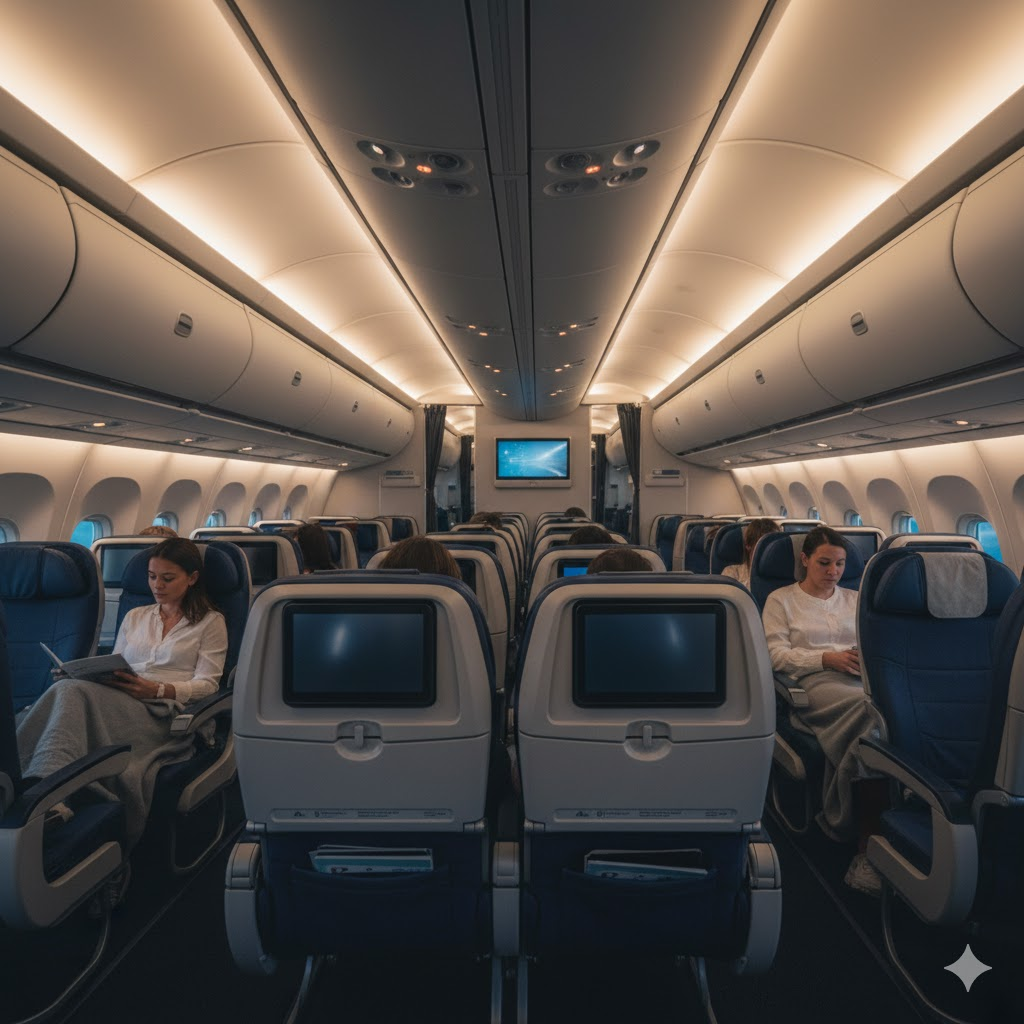
Travel Tips Specifically for Delta Airlines Flights
Let me share some practical tips I’ve picked up from flying Delta multiple times.
Arrive at the airport early. This is always true, but Delta flights can fill quickly. Showing up two hours before domestic flights and three hours before international flights gives you breathing room and better seat selection.
Sign up for text alerts. Enable notifications for your booking confirmation. Delta will text you about gate changes, delays, and boarding updates. This saves you from constantly checking the app.
Download the Delta app before your flight. You’ll need it for your boarding pass, and it’s useful for tracking flight status and making seat changes. Low internet connectivity at the airport is common, so download it at home.
Choose your seat strategically. Exit row seats offer extra legroom but sometimes come with restrictions on who can sit there. Middle seats in the back are often cheaper, and some people claim they’re less crowded. Aisle seats are better if you need to get up frequently. Window seats are better if you’re sleeping.
Pack accordingly for your cabin class. Basic economy doesn’t include a checked bag, so pack light or pay the fee. The main cabin does include checked bags. Know what you’re getting before packing.
Check your luggage size limits. Delta allows carry-ons up to 22 inches tall. If your bag is bigger, it might get gate-checked. Measure before you leave home.
Eat before the flight if you’re picky. Delta’s in-flight meal service is limited in economy. If you’re fussy about food, bring your own snacks or eat at the airport.
Use the seat map during check-in. When online check-in opens (24 hours before domestic flights), grab your seat immediately. The best spots fill up fast.
Understanding Delta Air Lines’ Fees and Hidden Costs
Let’s be real: airlines make money through fees. Delta Airlines is no exception. Here’s what you might pay for:
- Checked bags: First checked bag is free in the main cabin (paid in basic economy). The second bag is $35-40. Additional bags cost even more.
- Seat selection: Basic economy seat selection at booking costs extra. The main cabin includes seat selection.
- Carry-on bags: Included with all cabin classes (though basic economy has restrictions).
- Seat upgrades: You can pay to upgrade from main cabin to first class. Prices vary wildly based on demand.
- Standby flights: Want to change your flight to an earlier one? That’ll cost you.
- Unaccompanied minors: There’s a fee if your child is traveling alone.
- Baggage for overweight or oversized items: Bags heavier than 50 pounds or larger than standard dimensions incur extra charges.
The smartest move is understanding these fees upfront. If you know you’ll have two checked bags, maybe paying slightly more for main cabin makes sense since you get one free bag. If you don’t check baggage, basic economy might be the smarter choice.
Frequent Flyer Tips for Maximizing Delta Airlines
If you’re flying Delta regularly, here are some strategies to get maximum value:
Earn miles outside of flying. Use a Delta credit card for everyday purchases. Partner with Delta for hotel stays, rental cars, and shopping. You’ll accumulate miles faster than just flying.
Stack elite status with credit card perks. A Delta credit card gives you benefits that stack with airline elite status. You might end up with priority boarding from both, for example.
Book award flights strategically. Use miles during off-peak periods. Flying mid-week in January? That’s going to cost way fewer miles than flying on Friday in July.
Use your upgrades. If you earn seat upgrade certificates from status or credit card bonuses, use them. Sitting in first class for a three-hour flight is genuinely more comfortable.
Monitor for award space. Good award availability on popular routes doesn’t last long. Check Delta’s website regularly for your desired route and book quickly when you see availability.
Consider paying for a premium cabin when it’s sale-priced. Sometimes business class tickets go on sale at prices that aren’t much more than premium economy. Occasionally, it’s worth paying extra for the upgrade.
What the Future Holds for Delta Airlines
Delta, like all airlines, is navigating significant challenges and changes. Fuel costs remain volatile. Labor negotiations affect operational costs. Climate change regulations will require airline industry adaptations.
On the positive side, Delta is investing in fleet modernization. They’re gradually replacing older, less efficient aircraft with newer models that burn less fuel and produce fewer emissions. The Airbus A220 is one new addition, and more are on the way.
Delta is also investing in technology. Their digital transformation efforts are making online booking, check-in, and customer service smoother. The Delta app continues to improve.
The airline industry’s future likely includes more route efficiency, continued price competition, and potential consolidation. For consumers, that probably means more options, competitive pricing, and better technology. But it also means continued pressure on costs, which translates to more fees and tighter baggage policies.
Final Thoughts: Making the Most of Delta Airlines
Delta Airlines is a solid choice for travel. It’s not perfect, what airline is? But it’s reliable, has an extensive network, and offers genuine value if you know how to navigate it.
The key is understanding how Delta works, being strategic about booking, and leveraging their loyalty program if you fly regularly. Clear browser cookies before searching for flights. Fly on off-peak days when possible. Sign up for SkyMiles if you fly more than once or twice a year. Use a credit card to earn miles on everyday spending.
Most importantly, don’t just accept the default price Delta shows you first. Compare options. Be flexible with dates. Look at connecting flights. Think about the full cost, not just the base fare. Small decisions on every booking add up to real savings over time.
The next time you book a flight on Delta Airlines, you’ll do it smarter than that first time I booked, without understanding anything. That’s the goal of this guide.
Are you a frequent Delta flyer, or is this your first time considering them? What’s your biggest question about booking or flying Delta?
Key Takeaways
- Delta Airlines is one of the Big Three carriers, with extensive domestic and international networks centered around major hubs in Atlanta, Detroit, Minneapolis, and Salt Lake City.
- The SkyMiles loyalty program offers genuine value if you fly regularly or use a Delta credit card for everyday spending.
- Strategic booking, being flexible with dates, clearing cookies, comparing prices across platforms, and booking 1-3 months in advance can save you significantly.
- Understanding cabin classes (basic economy vs. main cabin vs. premium) helps you choose the right ticket for your needs and budget.
- Delta’s reliability and customer service are solid compared to competitors, but experiences vary depending on circumstances and which airport you’re traveling through.
- Hidden fees add up quickly, so understand the full cost of your ticket, including baggage, seat selection, and upgrades, before booking.
Frequently Asked Questions About Delta Airlines
Q: How far in advance should I book a Delta flight? A: The sweet spot is 1-3 months before your flight. Booking too far in advance rarely saves money, and booking last-minute is risky because prices increase. Aim for the middle ground for the best deals.
Q: Is Delta Airlines’ SkyMiles program worth it if I only fly once or twice a year? A: If you’re just flying once or twice per year, the frequent flyer program probably isn’t worth chasing. However, a Delta credit card with a good sign-up bonus makes sense because you can earn enough value from that bonus alone.
Q: Can I bring a carry-on in basic economy on Delta Airlines? A: Yes, you can bring a personal item (purse, small backpack) in basic economy. Carry-on roller bags might get gate-checked if the bins are full, but you can try to bring one.
Q: What’s the difference between Delta Airlines’ main cabin and first class? A: Main cabin includes a checked bag, standard seat selection, and basic amenities. First class includes priority boarding, premium seats with more legroom, complimentary drinks and snacks, and priority baggage handling. First class costs significantly more.
Q: Does Delta Airlines allow you to change your booking after purchase? A: Yes, you can usually change your flight to another Delta flight, though change fees may apply depending on your ticket type. Basic economy tickets sometimes have restrictions. Main cabin and premium tickets typically allow changes without fees.
Q: How much do Delta Airlines’ baggage fees cost? A: The first checked bag is free for main cabin passengers ($35-40 for basic economy). The second checked bag is $35-40. Additional bags cost more. Overweight or oversized bags incur additional fees.
Q: What should I do if my Delta Airlines flight is delayed or cancelled? A: Contact Delta immediately through their app, website, or by calling customer service. They’ll attempt to rebook you on another flight. If you’re stuck overnight, you may be entitled to meal vouchers and hotel accommodations depending on the circumstances.
Q: Is Delta Airlines’ app necessary for flying? A: It’s highly recommended but not strictly necessary. You can use your confirmation email to get your boarding pass printed at the airport. However, the app makes checking in, tracking your flight, and accessing important information much easier.
Q: How do I check the status of a Delta flight? A: Use the Delta app, visit delta.com, or call 1-800-221-1212. You can search by flight number or confirmation number to see real-time status updates, gate changes, and arrival times.
