
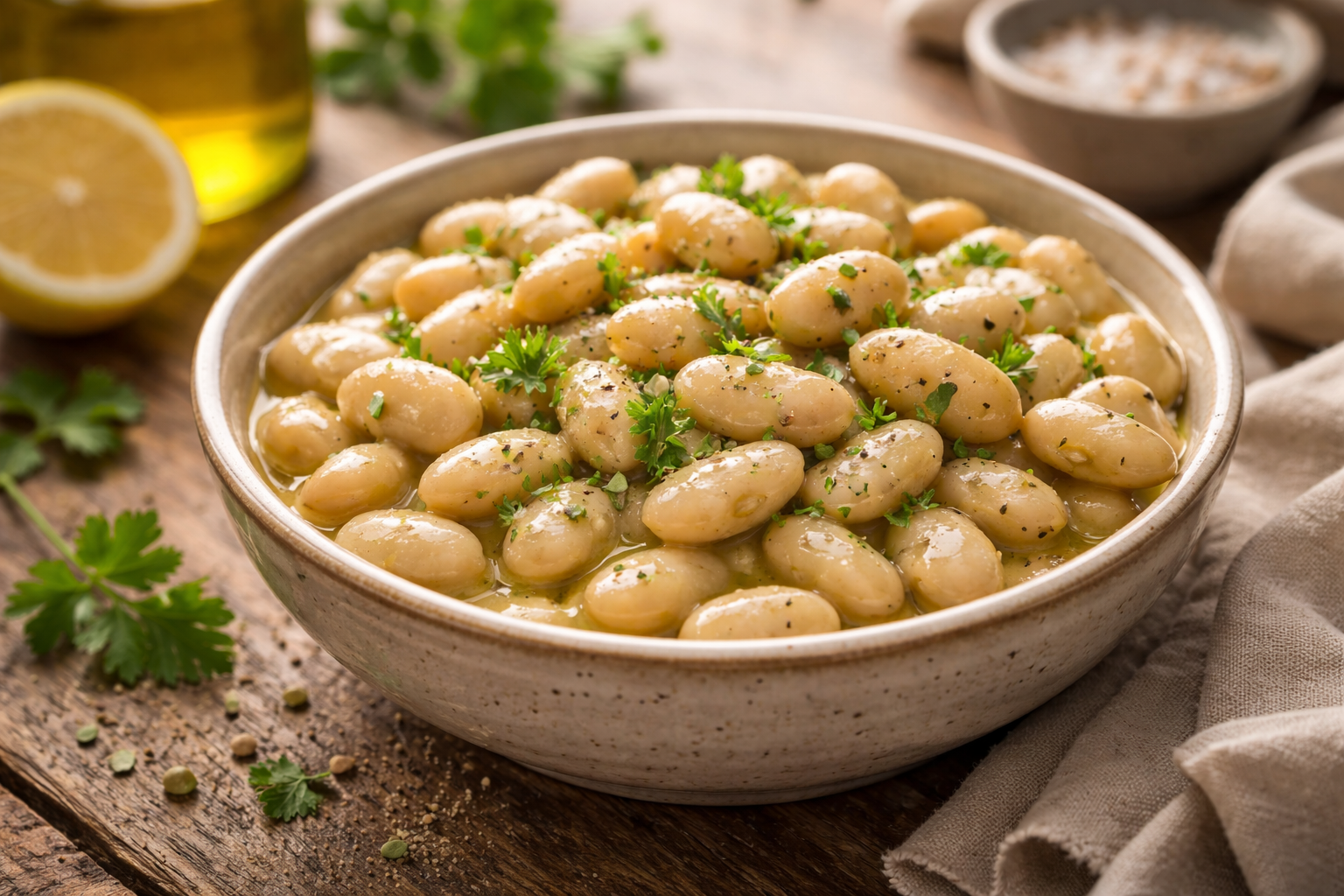
Have you ever stood in the canned vegetable aisle, passed over butter beans without a second thought, and reached for something “more interesting”? I used to do exactly that. But here’s what changed for me: once I actually tasted properly prepared butter beans, I realized I’d been missing out on one of the most satisfying, versatile foods available. These creamy, mild-flavored legumes have this almost buttery texture (hence the name) that transforms everything from weeknight dinners to fancy dinner party sides.
Butter beans are the overlooked champions of comfort food, the kind of ingredient that quietly makes your meals better without demanding attention. If you’re looking to eat more plant-based protein, stretch your grocery budget, or simply discover why people have been farming these beans for centuries, this guide will walk you through everything you need to know. Whether you’re a seasoned cook or someone who burns pasta, butter beans work for you. Let’s explore why these little legumes deserve a permanent spot in your kitchen.
What Exactly Are Butter Beans?
Getting to Know This Creamy Legume
Butter beans go by a few different names depending on where you live. In the UK and parts of Europe, they’re called butter beans. In the US, people often call them lima beans, though the two aren’t identical. Butter beans are actually larger and creamier than their lima cousins. You’ll also hear them referred to as Rangoon beans or Madagascar beans in some regions.
These beans are white, flat, and oval-shaped, roughly the size of a small almond. What makes them special isn’t their appearance, it’s their texture. Once cooked, butter beans develop this luxuriously creamy consistency that feels indulgent without any of the heaviness of cream. You’re not eating silky fat; you’re eating naturally starchy legumes that create that velvety mouthfeel.
Nutritionally, butter beans pack serious value into a small package. A single cup of cooked butter beans contains around 18 grams of plant-based protein, making them excellent for vegetarians, vegans, or anyone looking to diversify their protein sources. They’re also packed with fiber, about 7 grams per cooked cup, which supports digestive health. Add in minerals like potassium, magnesium, and iron, plus complex carbohydrates for sustained energy, and you’ve got a nutritional powerhouse.
Why They’re Called “Butter” Beans
The name isn’t marketing magic. It’s accurate. Cooked butter beans genuinely taste and feel like they’ve been prepared with butter, even though they contain virtually no fat. That creamy flavor and soft, almost melt-in-your-mouth texture is pure bean magic. The starch in the beans breaks down during cooking, creating that rich sensation your mouth loves. It’s one of nature’s tastiest tricks.
The Nutritional Case for Eating Butter Beans
Why Your Body Loves Them
Let me be honest: most of us don’t eat enough legumes. According to nutritional data, the average person consumes far less plant-based protein and fiber than recommended. Butter beans help close that gap effortlessly. Because they’re so filling and nutrient-dense, a modest serving leaves you satisfied without needing massive portions.
Here’s what happens when you eat butter beans regularly:
- Steady energy: The complex carbs and fiber mean your blood sugar stays stable, eliminating the crash you get from refined carbs.
- Better digestion: That fiber feeds your gut bacteria, supporting long-term digestive and immune health.
- Heart health: Butter beans contain polyphenols and soluble fiber, both linked to improved cholesterol levels and cardiovascular function.
- Weight management: They keep you full longer than many other foods, which naturally reduces overeating.
- Muscle support: As a plant-based protein source, they help maintain and build muscle when combined with resistance training.
I started incorporating butter beans into my diet specifically for the sustained energy they provide. By lunchtime on days when I ate them for breakfast or dinner, I noticed I didn’t hit that afternoon slump. It’s a small thing, but it genuinely changes how you feel throughout the day.
The Micronutrient Breakdown
Beyond protein and fiber, butter beans deliver trace minerals most people don’t get enough of. Iron (important for oxygen transport), manganese (supports bone health and metabolism), and folate (crucial for cell division) all show up in meaningful quantities. This is why beans have been a dietary staple in cultures worldwide. People understood intuitively that legumes were essential for thriving.
Dried vs. Canned Butter Beans: Making the Right Choice
The Great Bean Debate
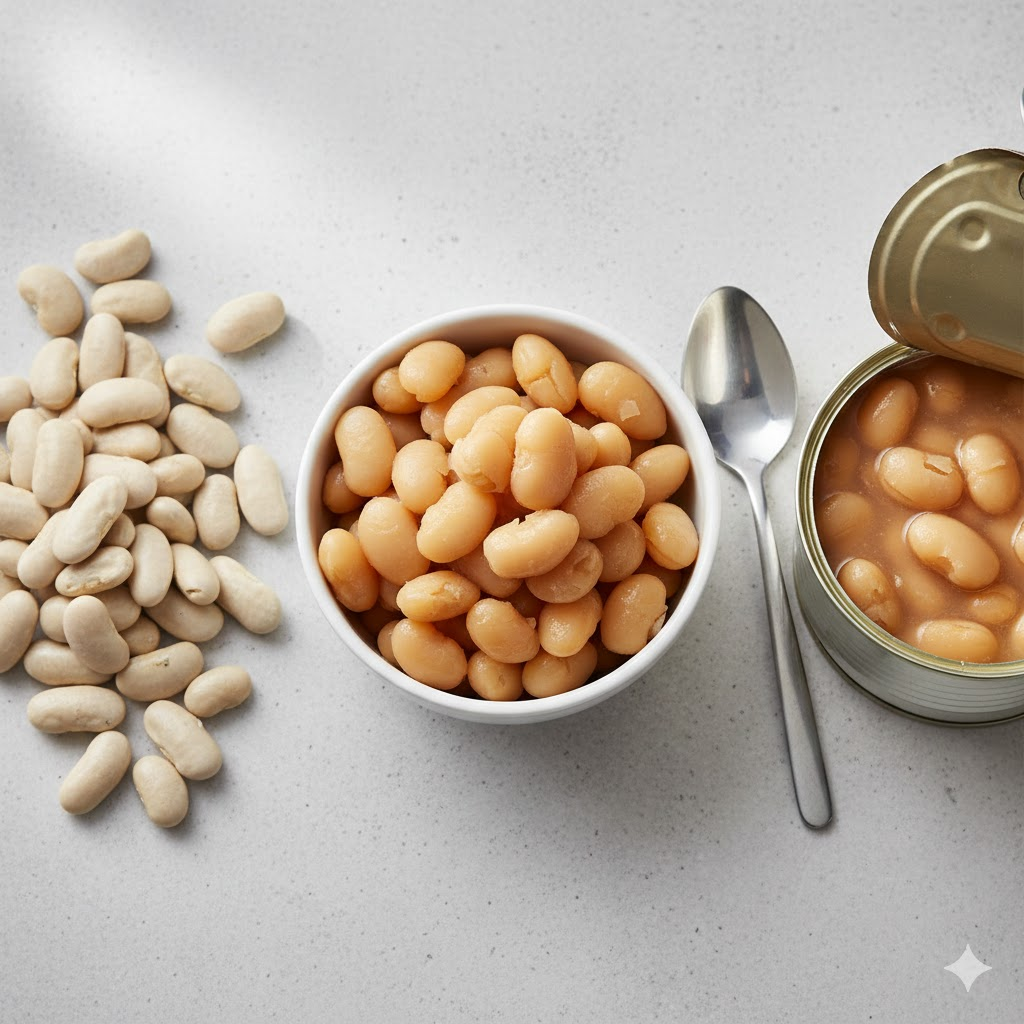
This is where practical cooking meets personal preference. Both dried and canned butter beans have legitimate advantages, and choosing between them depends on your lifestyle, time, and what you’re making.
Dried butter beans are cheaper by volume, often costing 30 50% less than canned versions. They also give you control over cooking time and texture. You can cook them until they’re barely tender or cook them longer for that creamy, almost falling-apart consistency. If you buy them in bulk, they take up minimal space. The trade-off? They require forethought. You need to soak them (usually 4-8 hours or overnight) and then cook them (45 minutes to an hour). It’s not difficult, but it demands planning.
Canned butter beans trade some cost savings for convenience. They’re already cooked, fully seasoned or unseasoned depending on the brand, and ready to use immediately. This is genuinely valuable on nights when you’re exhausted and still want a nutritious meal. Quality canned options are surprisingly good. The texture remains creamy, and you’re not sacrificing nutrition. The main environmental consideration is packaging, though most cans are recyclable.
My approach? I keep both on hand. When I plan, I’ll use dried beans. When I need dinner in 30 minutes, canned beans are my hero. Neither choice is “wrong.” You’ll eat more butter beans overall if you choose the option that actually fits your life.
The Cooking Process Explained
If you’re cooking dried butter beans for the first time, here’s what to expect:
- Sort through your beans and discard any shriveled ones or small stones (this rarely happens with quality beans, but better safe).
- Rinse them under cold water.
- Soak overnight in cold water, or use the quick-soak method: boil them for two minutes, then let them sit for an hour.
- Drain the soaking water and rinse again.
- Add fresh water (about three parts water to one part beans) and bring to a boil.
- Reduce the heat and simmer gently for 45 minutes to an hour, until tender.
- Drain and use immediately or store in the refrigerator for up to five days.
That’s genuinely all there is to it. No special equipment. No mystery. Just simple, straightforward cooking that anyone can do.
Easy Ways to Eat Butter Beans (Even If You’re Not a “Bean Person”)
Recipes That Actually Taste Good
One of my pet peeves is bean recipes that taste like the ingredient was added out of nutritional obligation rather than for flavor. Butter beans shouldn’t taste “healthy,” they should taste genuinely delicious. Here’s how to make that happen:
Creamy Garlic Butter Beans (Your New Go-To Side)
Heat olive oil in a skillet and sauté minced garlic until fragrant. Add drained canned or cooked butter beans, a splash of vegetable broth, salt, and pepper. Cook for 5-10 minutes until heated through. The simplicity is the point; the beans’ natural creaminess becomes the star. Serve alongside roasted vegetables or grain, or eat it as is with crusty bread.
Butter Bean Pasta
Cook your favorite pasta. While it cooks, sauté diced garlic and red pepper flakes in olive oil. Add canned butter beans, diced tomatoes (fresh or canned), and a handful of fresh spinach. Let everything warm through. Toss with the cooked pasta, finish with fresh basil and parmesan, and you’ve got a dinner that tastes like you spent hours cooking but took maybe 20 minutes.
Loaded Butter Bean Salad
Mix cooked butter beans with diced cucumber, halved cherry tomatoes, red onion, fresh herbs (dill, parsley, mint, whatever you have), and a simple vinaigrette of olive oil, lemon juice, salt, and pepper. This is the kind of salad that stays good in the fridge for days and actually improves as the flavors meld. Eat it cold alongside grilled chicken, or serve it as a vegetarian main course with crusty bread.
Butter Bean Hummus
Blend cooked butter beans with tahini, lemon juice, minced garlic, and olive oil. You’ve just made something creamier and richer-tasting than chickpea hummus, and most people won’t even realize it’s made from beans. Serve with vegetables, crackers, or pita chips.
One-Pot Butter Bean Stew
Sauté onions and garlic in a large pot. Add diced potatoes, carrots, celery, vegetable broth, and canned tomatoes. Bring to a simmer and cook until vegetables are tender. Add drained butter beans in the last 10 minutes to warm through. Season with herbs (thyme, bay leaves, oregano) and a squeeze of lemon juice. This is comfort food that happens to be vegetarian and loaded with vegetables.
These aren’t “healthy recipes” that taste boring. They’re genuinely tasty meals where butter beans enhance the final dish. The difference matters.
Flavor Combinations That Work
Butter beans pair beautifully with:
- Mediterranean flavors: garlic, lemon, oregano, tomatoes, feta cheese
- Indian spices: cumin, coriander, turmeric, ginger, garam masala
- Smoky flavors: smoked paprika, cumin, chili powder, lime
- Fresh herbaceous: dill, parsley, basil, mint, with bright acids like lemon or lime
The key insight: butter beans work with almost any cuisine. They’re neutral enough not to fight with other flavors, but rich enough to taste substantial and satisfying.
Storage and Make-Ahead Tips
Making Your Life Easier
Here’s something practical that actually changes your eating habits: batch-cook butter beans and portion them for the week ahead. On a Sunday, cook a large batch (about two pounds of dried beans yields roughly six cups cooked). Divide them into glass containers, refrigerate, and you’ve got protein-packed additions to breakfast, lunch, and dinner throughout the week.
Cooked butter beans keep in the refrigerator for five days and freeze beautifully for up to three months. Freeze them in portions either in containers or spread on a baking sheet, then transfer to freezer bags so you can grab exactly what you need. They thaw quickly, and reheating is as simple as warming them gently on the stovetop or in the microwave.
Canned butter beans opened but unused? Transfer them to an airtight container rather than leaving them in the can. They’ll last three to four days in the fridge. Freezing is also fine, just know that the texture softens slightly after thawing.

Common Cooking Mistakes (And How to Avoid Them)
What Goes Wrong and Why
Adding salt too early: This is the biggest beginner mistake. Salt added during cooking can slow down the beans’ softening. Wait until they’re nearly tender before seasoning, then adjust to taste.
Cooking at too high a heat: Beans need gentle heat. A rolling boil breaks them apart and creates mush instead of creamy beans. Maintain a gentle simmer, and you’ll get perfect results.
Using old dried beans: Beans stored for more than a year cook less reliably. If your beans seem incredibly old, soak them longer and be patient with cooking time.
Overcrowding the pot: Beans need room to cook evenly. If your pot is too full, some beans end up tender while others stay hard. Use enough water and don’t pack the pot.
Forgetting to skim foam: When you first bring beans to a boil, a gray foam rises to the surface. Skim this off with a spoon. It’s not harmful, but it gives you cleaner-tasting beans.
Budget Considerations: Why Butter Beans Make Financial Sense
Stretching Your Grocery Dollar
Let’s talk money honestly. High-quality protein is expensive. Chicken breasts, fish, and lean beef can quickly add up. Dried butter beans cost roughly $1.50 per pound, which yields about six servings of protein-rich food. Compare that to nearly any other protein source, and beans win dramatically on price.
Even canned butter beans, at roughly $1.00-$1.50 per can (usually 15 ounces), work out to less than $0.50 per serving when you factor in the protein content. Add them to vegetable-focused meals, stretch meat in dishes like chili or tacos, or use them as the primary protein in meals, and your grocery budget stretches further than it feels possible.
I’m not suggesting you eat only beans; variety matters both nutritionally and for satisfaction. But incorporating butter beans several times a week genuinely reduces your overall food spending while improving nutrition. That’s a combination worth embracing.
The Cultural History of Butter Beans
Why Different Cultures Know Their Value
Butter beans aren’t new. They’re ancient. Bean cultivation goes back thousands of years across multiple continents. In Mediterranean countries, beans have been central to cooking for centuries. In African cuisine, beans provide a nutritional foundation. In Latin American cooking, legumes form the backbone of traditional dishes. This isn’t a coincidence; it’s collective human knowledge about what nourishes us best.
Understanding this history changes how you see butter beans. You’re not eating a trendy “superfood,” you’re eating what humans have relied on for sustained health and energy across generations and cultures. Something is grounding about that.
FAQs About Butter Beans
Your Burning Questions Answered
Q: Are butter beans and lima beans the same? A: Similar, but not identical. Butter beans are larger, creamier, and milder. Lima beans are smaller and sometimes have a slightly stronger, more vegetal taste. Both are nutritious, but butter beans tend to be more appealing to people new to legumes.
Q: How long do dried butter beans last? A: Indefinitely if stored properly in an airtight container in a cool, dry place. However, beans older than one year may cook less reliably and take longer to soften. Buy from stores with good turnover to get fresher beans.
Q: Can I cook butter beans in a slow cooker? A: Absolutely. Add soaked beans, cover with water, and cook on low for 6-8 hours or high for 3-4 hours. This is a hands-off method perfect for batch cooking.
Q: Do butter beans cause bloating? A: Like all beans, butter beans contain compounds that can cause digestive discomfort in some people. Soaking dried beans and discarding the soaking water reduces these compounds. Starting with small portions and increasing gradually helps your digestive system adapt. Most people experience no issues at all.
Q: What’s the nutritional difference between canned and dried butter beans? A: Minimal. Canned versions retain most nutrients (some losses happen during processing, but these are negligible). The main difference is sodium if your canned beans are salted. Rinsing canned beans reduces sodium significantly.
Q: Can I eat butter beans cold? A: Yes. Cold butter bean salads, spreads, and grain bowls are delicious. The creamy texture works equally well in cold applications.
Q: Are butter beans gluten-free? A: Naturally, yes. Pure butter beans contain no gluten. Always check canned or processed versions for cross-contamination or added ingredients.
Q: How many cooked butter beans should I eat per serving? A: A reasonable serving is ¾ to 1 cup cooked beans. This provides substantial protein, fiber, and satisfying fullness.
Final Thoughts: Making Butter Beans Your New Kitchen Staple
Butter beans have quietly been overlooked by people who assume beans are boring or difficult. The reality? They’re creamy, mild, nutritious, affordable, and genuinely delicious when prepared well. Whether you’re motivated by budget, health, sustainability, or simply wanting to eat better, butter beans deliver.
Start small. Pick one recipe from this guide that appeals to you. Try it once. Notice how satisfying and flavorful butter beans can be when they’re treated as the main ingredient rather than an afterthought. Then gradually add more. Before long, you’ll find yourself buying them regularly, cooking them automatically, and wondering how you lived without them.
What’s your favorite way to use butter beans? Or are you ready to try them for the first time? Either way, I encourage you to give them a real chance. Your taste buds, your wallet, and your body will thank you.
