
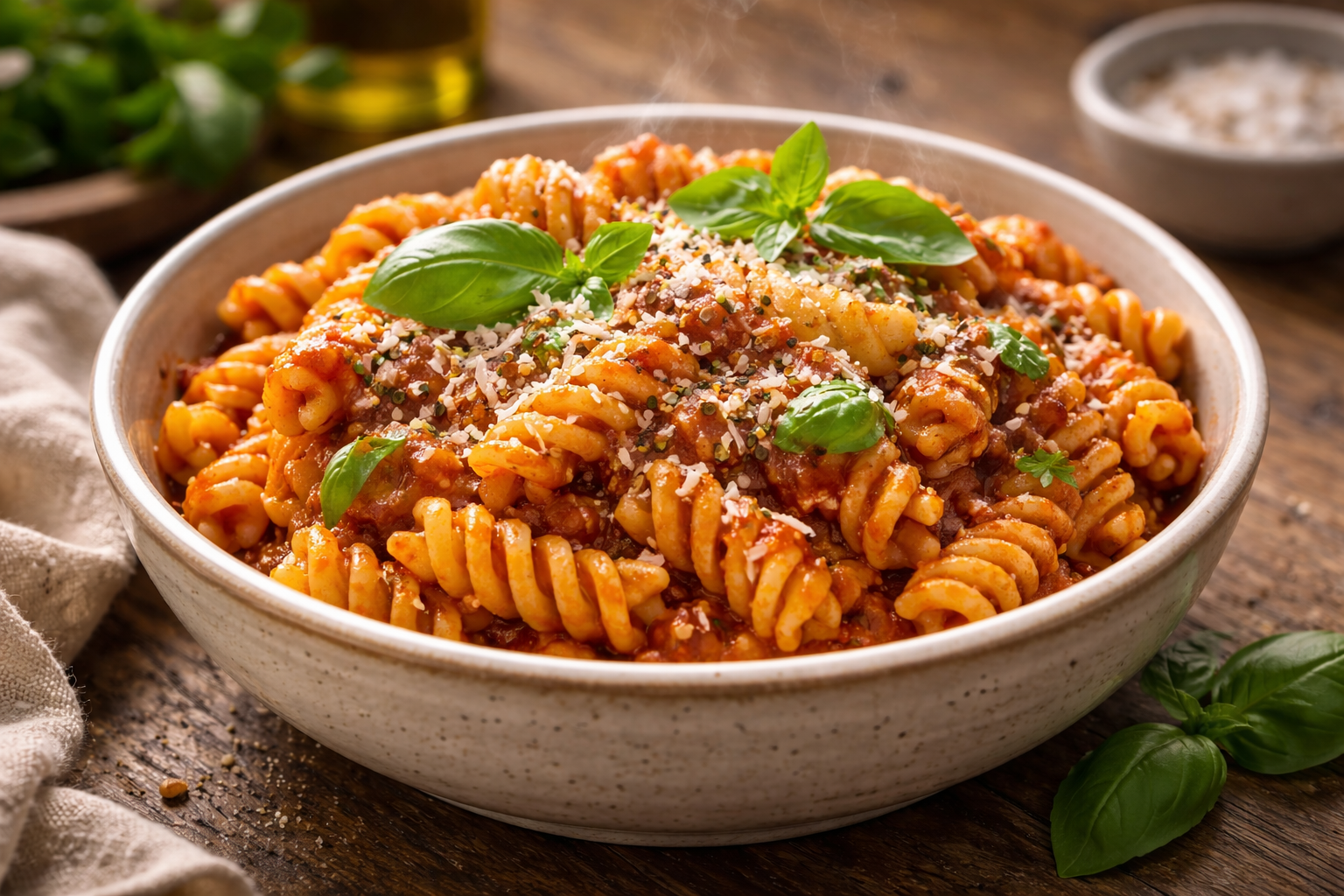
If you’ve ever wondered why fusilli pasta is practically everywhere in fancy restaurants, your neighbor’s casserole, and those viral TikTok recipes, you’re not alone. There’s something genuinely magical about those little cork-screw-shaped noodles that makes people gravitate toward them. Maybe it’s because they hold sauce like nothing else, or maybe it’s just that they’re plain fun to twirl on your fork. Either way, you’ve probably cooked Fusilli pasta at least a handful of times without really thinking much about it.
But here’s the thing: understanding your pasta changes everything. When you know how to pick the right box, cook it to that sweet spot between tender and toothsome, and pair it with a sauce that actually clings to those spirals, suddenly you’re not just cooking dinner, you’re creating something people actually want to eat. I’ve been cooking for years, and I’ve learned that the small details with pasta make the biggest impact at the table.
In this guide, we’re diving deep into everything Fusilli pasta. We’ll explore where it comes from, why it’s so good at doing what it does, how to cook it without messing it up, and honestly, some pretty creative ways to use it beyond the same old box-and-jar routine. Whether you’re a weeknight quick-meal person or someone who loves getting into the kitchen, there’s something here for you.
What Is Fusilli Pasta, Anyway?
The Basics (And Why Shape Actually Matters)
Let me start with the simple part: Fusilli pasta is a type of dry pasta that’s shaped like a tight helix or spiral. The name comes from the Italian word “fuso,” which means spindle basically; it looks like the thing your grandmother used to spin thread on. Pretty poetic for a pasta shape, right?
Now, you might think pasta is pasta, but trust me, shape isn’t just about looks. The spiral design of fusilli is actually engineered for function. Those little grooves and curves are like tiny sauce-catching pockets. When you toss it with marinara, pesto, or creamy sauce, the Fusilli pasta grabs onto it in a way that straight noodles simply can’t. You end up with better sauce distribution in every bite, which means more flavor.
Fusilli pasta comes in different sizes, too. Regular Fusilli pasta is what most people buy. Then there’s Fusilli pasta bucati, which has a hole running through the center, kind of like a tiny hollow spiral. There’s also fusilli col buco, which is similar. Some brands make longer versions, and others stick with the shorter, chunkier pieces. It all depends on the brand and what they’re going for.
The texture is another thing worth mentioning. Good quality Fusilli pasta should have a slightly rough surface (called “trafilata al bronzo” if it’s made with bronze dies) that helps sauce cling even better. Cheaper versions that are smooth might slide right off your fork.
Where It Comes From (The Italian Connection)
Here’s something interesting: while pasta as a concept has a complicated history involving multiple countries, Fusilli pasta as we know it is thoroughly Italian. It originated in Southern Italy, particularly in regions like Campania and Puglia, where pasta production was and still is taken seriously.
The Italians didn’t invent spiral pasta just because it looked cool. They developed it specifically for the way Italian sauces work. If you’re eating pasta in Italy, especially traditional preparations, you’ll notice that sauces aren’t usually heavy and creamy like in some American versions. They’re lighter, oil-based, or tomato-based, and they need pasta that can hold them without sliding off. Fusilli pasta does exactly that.
The industrial production of pasta changed everything in the 1800s and 1900s. Once machines could make pasta reliably and cheaply, it went from being a luxury item to something regular people could eat. Fusilli pasta became popular worldwide around that time, and now you can find it in virtually every grocery store on the planet.
The Different Types of Fusilli Pasta You’ll Find
Durum Wheat vs. All the Rest
When you’re standing in the pasta aisle (and honestly, who doesn’t get a little overwhelmed there?), you’ll notice some boxes say “durum wheat” or “semolina,” while others say “100% whole wheat,” “multigrain,” or even “vegetable-enriched.” This actually matters more than you’d think.
Traditional Fusilli pasta is made from durum wheat semolina, which is a hard variety of wheat that holds up well during cooking. It doesn’t get mushy, and it has a pretty nice and slightly nutty flavor. Most Italian imports and quality brands use this. When you bite into properly cooked durum wheat Fusilli pasta, it should feel substantial, almost slightly resistant to your teeth. That’s what “al dente” really means, and it’s where the magic happens.
Whole wheat Fusilli pasta is the healthier option if that’s your goal. It has more fiber and nutrients than regular pasta. But I’ll be honest with you, it has a different taste and texture. It’s earthier, denser, and tends to get softer faster. If you’re used to regular pasta, the switch can be jarring. I’d recommend starting with a whole wheat blend (like 50/50) if you want to ease into it.
Then there are the specialty versions. Chickpea pasta, lentil pasta, and other legume-based options have exploded in popularity recently. They have more protein and fiber than regular pasta, which is genuinely helpful if you’re trying to feel fuller longer. They cook differently, though, so read the package instructions carefully. I’ve learned this the hard way more than once.
Fresh vs. Dried Fusilli Pasta
Here’s a quick distinction: dried Fusilli pasta is what we’re mostly talking about here. It’s shelf-stable, economical, and honestly, it’s what you should use for most situations. Fresh fusilli exists, but it’s less common and usually something you’d make yourself or buy from a specialized pasta maker.
Dried pasta actually contains very little moisture, so it can be stored for literally years without going bad (though it’s best eaten within a couple of years for best quality). This is why it became so important to human history: it could travel, it could be stored, and it was affordable. Pretty cool when you think about it.
Cooking Fusilli Pasta Perfectly Every Single Time
The Setup That Actually Matters
Okay, let’s talk technique, because this is where things get real. You don’t need fancy equipment or a culinary degree to cook great Fusilli pasta. You just need to understand a few principles.
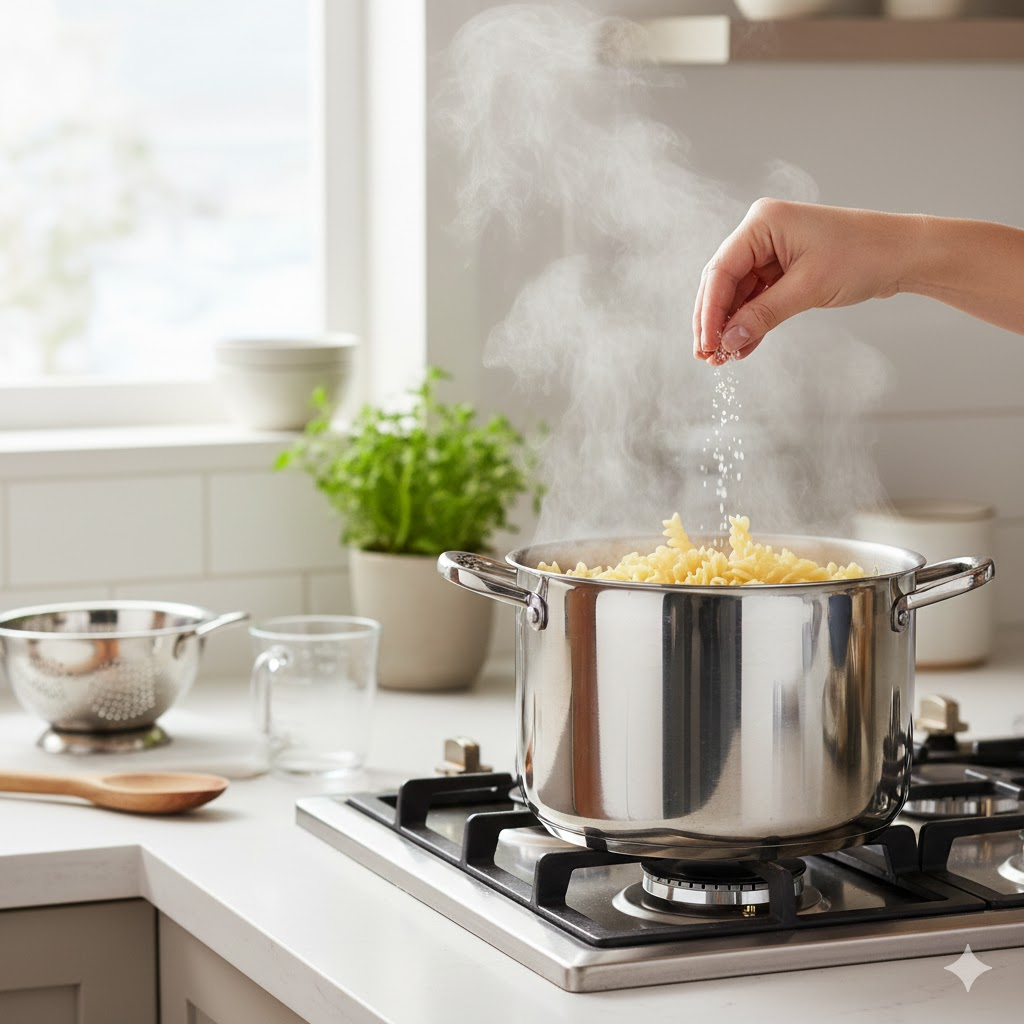
First, water. You need enough of it. A lot of people use way too little, and this causes problems. I use the ratio of one pound of pasta to one gallon of water. This seems excessive, but the pasta needs room to move around freely. If it’s cramped in a small pot, you get clumping and uneven cooking. Trust me on this.
Salt your water generously, more than you think. The water should taste like the sea. This isn’t about being fancy; it’s about seasoning the pasta from the inside out. If you wait until after cooking to salt, you’re seasoning the outside at best. You want it absorbed into the noodles.
Bring the water to a rolling boil before you add the pasta. No shortcuts here. The temperature drop when you add the Fusilli pasta should still leave you with actively boiling water within a few seconds. If your water isn’t boiling, the starch releases unevenly, and you get clumpy mush.
The Cook Time Dance
Here’s where package directions are your friend, but also where you need to trust your instincts. The cooking time printed on the box is usually accurate, but factors like your altitude, water hardness, and even pasta thickness mean it’s not written in stone.
Start checking the pasta about two minutes before the suggested time. This is important. You’re looking for that perfect moment where it’s cooked through but still has a slight resistance when you bite it. That’s al dente, and it’s the goal. If you wait for it to get soft all the way through, you’ve overcooked it. It won’t take a sauce properly, and it’ll feel mushy in your mouth.
Here’s my trick: reserve some of the starchy cooking water before you drain the pasta. Seriously. Save about a cup of it. That starchy water is basically edible glue. When you toss your pasta with sauce, a splash or two of this water helps everything come together beautifully. Restaurants do this all the time, and now you do too.
The Drain and Transition
Don’t rinse your pasta after cooking (unless you’re making a cold pasta salad). The starch on the outside helps the sauce cling. Just drain it in a colander and move it to your sauce or serving bowl immediately. You want the Fusilli pasta warm when it meets the sauce.
Toss it all together right away, not in separate bowls. This is key. The warm pasta and warm sauce mingle, the flavors meld, and everything becomes more cohesive than if you just pour sauce over pre-plated noodles.
What Sauces Actually Work Best With Fusilli Pasta
Why Not All Sauces Are Created Equal
Here’s something that changed my cooking: understanding which sauces are made for which pasta shapes. Fusilli pasta, with all those grooves and spirals, is actually pretty versatile. But it shines with certain sauces more than others.
Light oil-based sauces are perfect for Fusilli pasta. Think aglio e olio (garlic and oil), or something with fresh herbs. The Fusilli pasta grabs onto the oil and holds the seasonings beautifully. No cream needed. Tomato-based sauces also work wonderfully in marinara, arrabbiata, and puttanesca. The liquid clings to the pasta perfectly.
Creamy sauces? Sure, Fusilli pasta can handle them too. Alfredo, carbonara, or any kind of creamy vegetable sauce coats those spirals nicely. Just be aware that heavy cream sauces can sometimes make Fusilli pasta feel a bit heavier than lighter pastas might.
I’d actually steer clear of Fusilli pasta with chunky, heavy sauces. If you’re making a sauce with big pieces of meat or large vegetable chunks, shorter pasta shapes like rigatoni or penne handle it better. The chunks don’t get caught in the spirals as awkwardly.
A Few Personal Favorites
Let me share some combinations that genuinely never disappoint. Fresh basil, crushed San Marzano tomatoes, good olive oil, and salt over Fusilli pasta with fresh mozzarella on top, it’s simple, it works, and people love it. Roasted vegetables with garlic, lemon, and olive oil are another winner, especially in summer.
If you’re in a hurry, here’s what I do: sauté some garlic in olive oil, add canned tomatoes, let it bubble for ten minutes, toss with Fusilli pasta and fresh parsley. Five ingredients, twenty minutes, absolutely delicious.
Choosing Quality Fusilli Pasta That’s Actually Worth Your Money
How to Read a Pasta Box Like You Mean It
Not all Fusilli pasta is created equal, and honestly, the price difference isn’t always huge, so there’s no reason to buy the worst stuff. Here’s what to look for.
Check the ingredients. It should say “durum wheat semolina” and probably not much else. If it has a bunch of additives and stabilizers, that’s a flag. Good pasta is pretty simple.
Look for “bronze cut” or “trafilata al bronzo” on the label. This means it was cut with bronze dies instead of modern steel ones, which makes the surface rougher and helps the sauce stick. Brands that care about quality usually highlight this.
Read the cooking time. Shorter times (like 7-8 minutes) suggest thinner, cheaper pasta. Longer times (10-13 minutes) usually indicate better quality. Better pasta takes longer to cook because it’s denser and has more structure.
Brands Worth Knowing
The fancy Italian imports (like Barilla from Italy, De Cecco, or Rustichella d’Abruzzo) are solid choices. Yes, they cost more, but you can taste the difference. The pasta has better flavor, better texture, and better structure.
That said, you don’t need to spend a fortune. Mid-range brands that focus on quality (like Barilla’s regular US line, Bionaturae, or many store brands from good grocery chains) are honestly fine for everyday cooking. Save the fancy stuff for when you’re really trying to impress.
Budget pasta isn’t a tragedy; it still tastes good, it just might be slightly softer or more prone to mushiness. If money is tight, don’t stress. Pasta is forgiving.
Creative Ways to Use Fusilli Beyond the Basic Bowl
Cold Pasta Salad (The Summer MVP)
This is where fusilli gets a second life. Cook it, cool it, toss it with whatever you have. Cherry tomatoes, cucumber, mozzarella, olives, maybe some grilled chicken or chickpeas for protein. Dress it with olive oil, lemon juice, and herbs. It’s a complete meal that travels beautifully and actually gets better as it sits.
Baked Fusilli Dishes
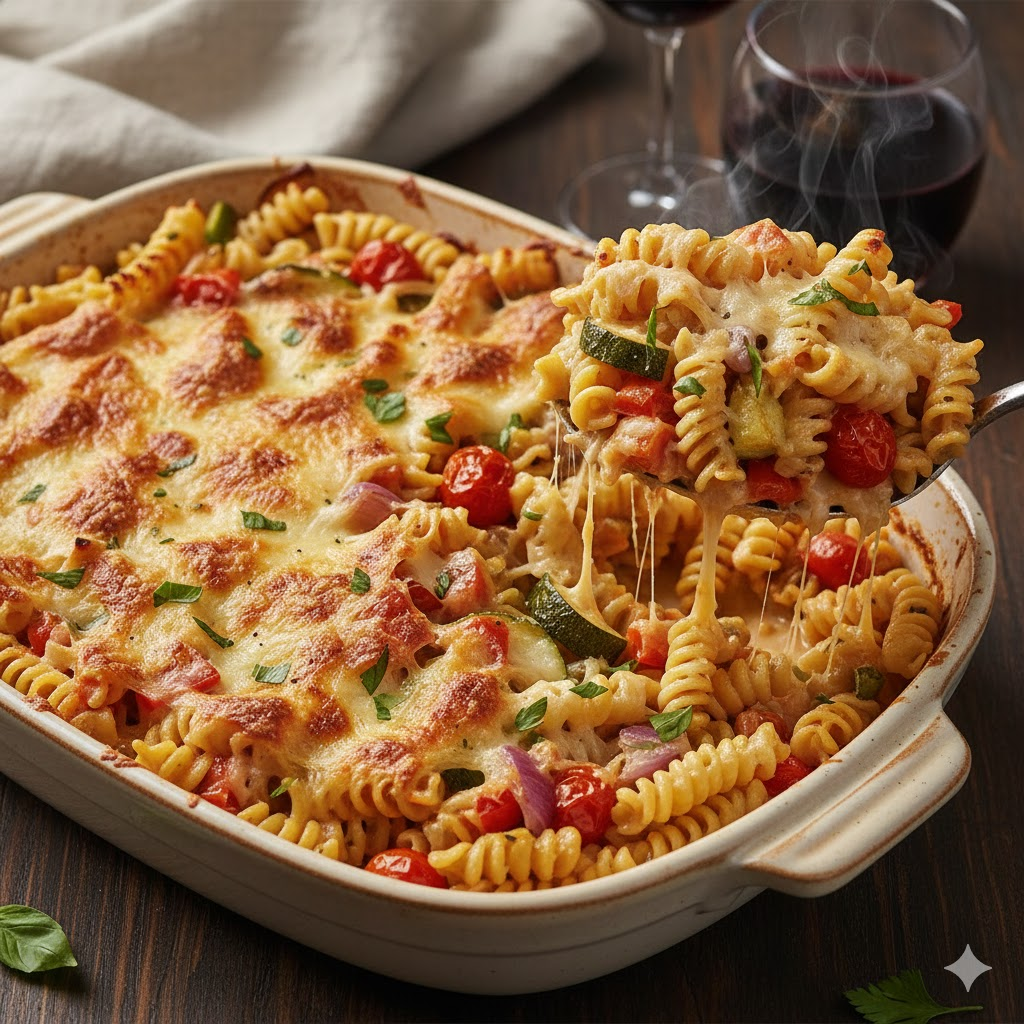
Fusilli is excellent in baked pasta. Its shape means it doesn’t shift around as much as longer pasta when you’re moving the dish in and out of the oven. Think fusilli bake with ricotta, spinach, and marinara. Or a creamy mushroom baked fusilli. The spirals trap the sauce and make every bite feel substantial.
Soups and Lighter Fare
Drop some cooked fusilli into minestrone, chicken soup, or vegetable broth. The shape is small enough that it doesn’t overwhelm the soup, but substantial enough that you feel like you’re eating actual food, not just broth with noodles floating in it.
Leftover Situations
Cooked fusilli keeps in the fridge for about four days. Reheat it gently with a splash of water or sauce. You can also toss cold leftover fusilli into salads or grain bowls to add substance and make them more filling.
Common Mistakes (And How to Not Make Them)
The Rinsing Mistake
You’ve probably been told never to rinse pasta. This is mostly true. Don’t rinse it after cooking hot pasta dishes. But if you’re making a cold pasta salad, rinse it well under cool water, then toss it with a bit of oil so it doesn’t stick together. Context matters.
Overcooking Is Real
This is the number one pasta crime. Two minutes too long and everything changes. The texture gets soft, it doesn’t hold sauce, and it feels mushy instead of pleasant. Set a timer. Taste it. Don’t just guess.
Waiting Too Long to Sauce It
Cooked fusilli cools down quickly. If you let it sit in the colander while you’re making sauce, you’ve created extra work for yourself. Have your sauce ready to go, or at least have it heating while the pasta cooks.
Using Terrible Water
I know this sounds weird, but if you have very hard water or water with a lot of chlorine, it affects how pasta cooks. If you notice your pasta always comes out weird, try using filtered water. It’s worth experimenting with.
Storing and Keeping Fusilli Fresh
The Pantry Situation
Dried fusilli lasts basically forever if stored properly. Keep it in a cool, dry place, not above the stove where heat and steam can damage it. An airtight container or the original box works fine. Most people keep it for a couple of years without any issues.
Once you cook fusilli, it’s a different story. Cooked pasta keeps refrigerated for about four days. Store it in an airtight container. You can freeze cooked fusilli, too, though the texture changes slightly when thawed. It works fine in soups and baked dishes, less so if you want that perfect al dente texture.
The Nutrition Picture
What You’re Actually Eating
A typical serving of cooked fusilli (about two ounces of dry pasta) has around 200 calories, mostly from carbohydrates. There’s some protein, about seven grams per serving, and not much fat. It’s not a complete protein on its own, which is why pairing it with vegetables, legumes, or a protein source makes sense nutritionally.
If you’re watching sodium, make note that the salt in the cooking water doesn’t add significant sodium to the final dish. But sauces, especially jarred ones, can be high in sodium. Making your own sauce gives you control.
Whole wheat and legume-based fusilli have significantly more fiber and protein. If that matters to your goals, they’re worth the switch or at least worth trying sometimes.
Conclusion
Fusilli pasta might seem like the most straightforward thing you could cook, but when you understand how it works, what makes it special, and how to treat it well, you realize it’s a blank canvas for really delicious meals. It’s not fancy, it’s not complicated, but it’s genuinely good food when you pay attention to the details.
The truth is, some of the best meals come from humble ingredients treated with care. Fusilli is affordable, it’s available everywhere, and it’s foolproof once you know the basics. Your water should be boiling, your salt should be generous, your cooking time should be checked (not guessed), and your sauce should be ready to embrace those spirals the moment they’re drained.
Try making fusilli tonight, really try it, with attention to the technique we talked about. Buy a mid-range box from a brand that cares, make a simple sauce, taste the difference when everything comes together properly. You’ll understand why this humble pasta shape has been a staple in kitchens around the world for generations.
What’s your go-to fusilli sauce? Have you discovered a combination that’s become a regular at your table? I’d genuinely love to hear about it. The best cooking discoveries usually come from friends sharing what works for them.
FAQs
How long does Fusilli pasta take to cook? Most Fusilli pasta takes 8-13 minutes, depending on thickness and quality. Check the package, but start tasting around two minutes before the stated time. You want it tender but still slightly firm to bite.
Can you cook fusilli in a rice cooker? Technically yes, but it’s weird and inconsistent. Your regular pot is honestly your best bet.
Is durum wheat fusilli better than regular Fusilli pasta? Yes, generally. Durum wheat holds its texture better and has a slightly better flavor. But honestly, mid-range quality regular Fusilli pasta is totally fine for everyday cooking.
Can I make Fusilli pasta from scratch at home? You can, but it’s time-consuming and requires a pasta maker. For most home cooks, buying it is the move. But if you’re interested in learning, there are tons of good tutorials online.
What’s the difference between Fusilli pasta and rotini? They’re basically the same thing. “Rotini” is more commonly used in the US, while “fusilli” is the Italian name. Some people say rotini has slightly tighter spirals, but honestly, they’re interchangeable.
Why does my fusilli come out mushy? Overcooking is the most common cause. Overboiling also keeps it at a steady boil, not a crazy rolling boil. Also, using too little water or letting it sit after cooking can contribute to mush.
Can I use Fusilli pasta in mac and cheese? Sure, though smaller shapes like elbows are traditional. Fusilli works fine and honestly looks prettier.
How much fusilli should I cook per person? For a main course, plan on two ounces of dry pasta per person. For a side dish, about one ounce. When cooked, two ounces of dry pasta become roughly one cup of cooked pasta.
